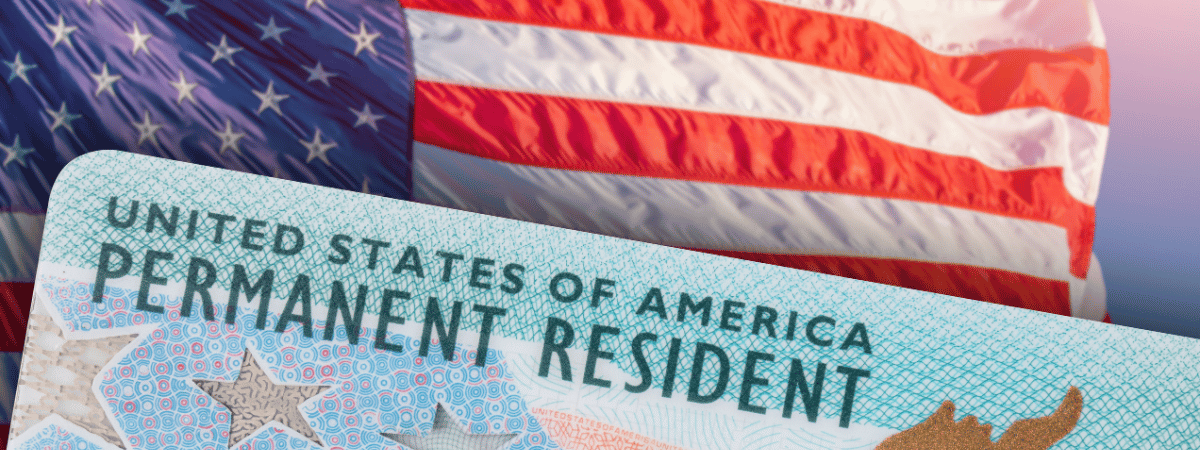
There used to be a safety net if you missed something on your green card application. USCIS would send you a letter explaining exactly what was missing and give you 90 days to fix it. If your case wasn’t quite there yet, you got a second chance to avoid a denial.
That safety net just got a lot smaller. As of August 2026, USCIS changed the rules on how it reviews adjustment of status cases, especially marriage-based ones, and the mistakes that used to cost people a little extra paperwork can now cost them the whole case. Here’s what’s actually changed, and why this isn’t the year to file on your own.
USCIS is scrutinizing marriage-based cases like never before
It’s not enough anymore to show up with a marriage certificate, a joint bank statement, and a lease. Officers are now digging into the inception of the marriage, meaning they want to know what your intentions were back when you got married, not just how things look today.
That means:
Current, ongoing evidence. Officers want joint bills, bank statements, and leases since you got married, not just the last few months. The bills cannot be scattered missing one year and a lot of evidence for another year, since they are establishing a timeline with the evidence.
More detail, not less. Be ready to answer real questions about your relationship: how you met, how the relationship developed, your daily life together, even small details like each other’s routines.
The honest answer is: if your evidence file looks like it did five years ago, it’s not ready for a 2026 interview.
The safety net got shorter: RFEs and NOIDs
If USCIS needs more evidence, it sends a Request for Evidence (RFE) or, when the case looks like it’s headed toward denial, a Notice of Intent to Deny (NOID). Both used to come with real breathing room, approximately 84 days on average.
Here’s what changed:
RFE deadlines are shrinking. Applicants used to get up to 84 days (12 weeks) to respond. USCIS now has the discretion to give far shorter windows, and 30-day deadlines are showing up more and more, including in cases where a longer response time used to be standard.
– NOIDs still give about 30 days, but with everything else tightened around them, that window matters more than ever.
– Partial responses are no longer safe. If you can’t get everything together in time and send in part of what’s needed, USCIS now treats that as your final answer and decides the case on what’s in front of it. There’s no more “I’ll just upload it to the app next week.”
The worst case: a denial with no warning at all
This is the part that catches people the most off guard. As of August 5, 2026, USCIS can deny a case outright, meaning no RFE, no NOID, no chance to fix it. This may happen if the initial filing is missing the evidence it needs to approve the case.
Here’s what this means for you: the first letter you get might not be a request for more documents. It might be a denial.
A denial doesn’t just end the case, it can start a new one in immigration court.
This is the consequence people are the least prepared for. Under USCIS policy, a denied adjustment of status case can now trigger a Notice to Appear (NTA), the document that places you in removal proceedings in front of an immigration judge. This isn’t reserved for extreme cases. If your case is denied and you don’t have lawful status at that point, an NTA is now triggered.
In other words: filing the wrong way doesn’t just mean starting over. It can mean ending up in removal proceedings.
Small mistakes at the interview matter too
We’ve also seen this play out on interview day itself. Applicants show up without an interpreter, not realizing they were expected to bring one, and the officer cancels or postpones the interview on the spot, sometimes giving them as little as thirty minutes to find someone. Months of waiting, undone by a detail nobody told them about. It’s a small thing, but it’s exactly the kind of small thing that costs people time they didn’t need to lose.
This is not a do-it-yourself project
Given everything above, here’s our honest advice, for what it’s worth after years of doing this work:
- Don’t file this on your own. There is too much at stake: your status, your timeline, and in the worst case, whether you end up in removal proceedings.
- Don’t hire a notario, or an attorney who only dabbles in immigration law. This area of law is too complex for anyone to learn on your case. You don’t want someone experimenting with your life while they figure it out.
- Hire someone with a real track record. Look at reviews. Look for a firm where immigration is the primary practice, not a side offering. Think of a law firm as a boutique experience, not a Wal Mart experience.
- If you already have an RFE in hand, don’t wait. The longer you sit on it, the less time an attorney has to actually help you respond. Waiting even a week can mean the difference between a strong response and a rushed one.
Our best advice, plain and simple: it’s better to wait and do it right than to rush and do it wrong. This is the way I explain this to my clients: you cannot go back and recreate the past, so if you only have thirty days to answer an RFE, opening an account under each other’s names and receiving the first bill usually takes more than thirty days, and you do not only need one bill. You need months of various bills. Once you start the clock by filing your adjustment and family-based petition, you need to be aware of the time running out to develop your evidence.
Here’s what happens next
If you’re getting ready to file, or you’ve already got a case pending and you’re not sure it’s strong enough for what USCIS is asking for now, don’t wait to find out the hard way. Call Winterberg Law Firm for a consultation before you file, or the moment you get an RFE or NOID in the mail. We’re right here in El Paso, and we’re seeing thesce changes play out in real cases, every week.
(915) 841-9777 | epimmigrationlawyer.com | El Paso, TX
This post is for general information about a developing USCIS policy trend. It isn’t legal advice for your specific situation every case is different. Talk to a licensed immigration attorney before you file or respond to any USCIS notice.