
Had a Baby in the U.S. on a Tourist Visa? Here’s What’s Happening at the El Paso Bridges
Picture this: you cross back into Juárez after a shopping trip, or you’re heading back home to Juarez for the day like you’ve done a hundred times before. A CBP officer at the bridge looks at your passport, then asks something you weren’t expecting: “Did you have a baby in the United States?” “Did you

¿Tuviste un bebé en EE. UU. con una visa de turista? Esto es lo que está pasando en los puentes de El Paso
Imagina esta situación: cruzas de regreso a Juárez después de un día de compras, o simplemente estás regresando a casa en Juárez, como lo has hecho cientos de veces. Un oficial de CBP en el puente revisa tu pasaporte y luego te hace una pregunta que no esperabas: “¿Tuviste un bebé en Estados Unidos?” “¿Pagaste
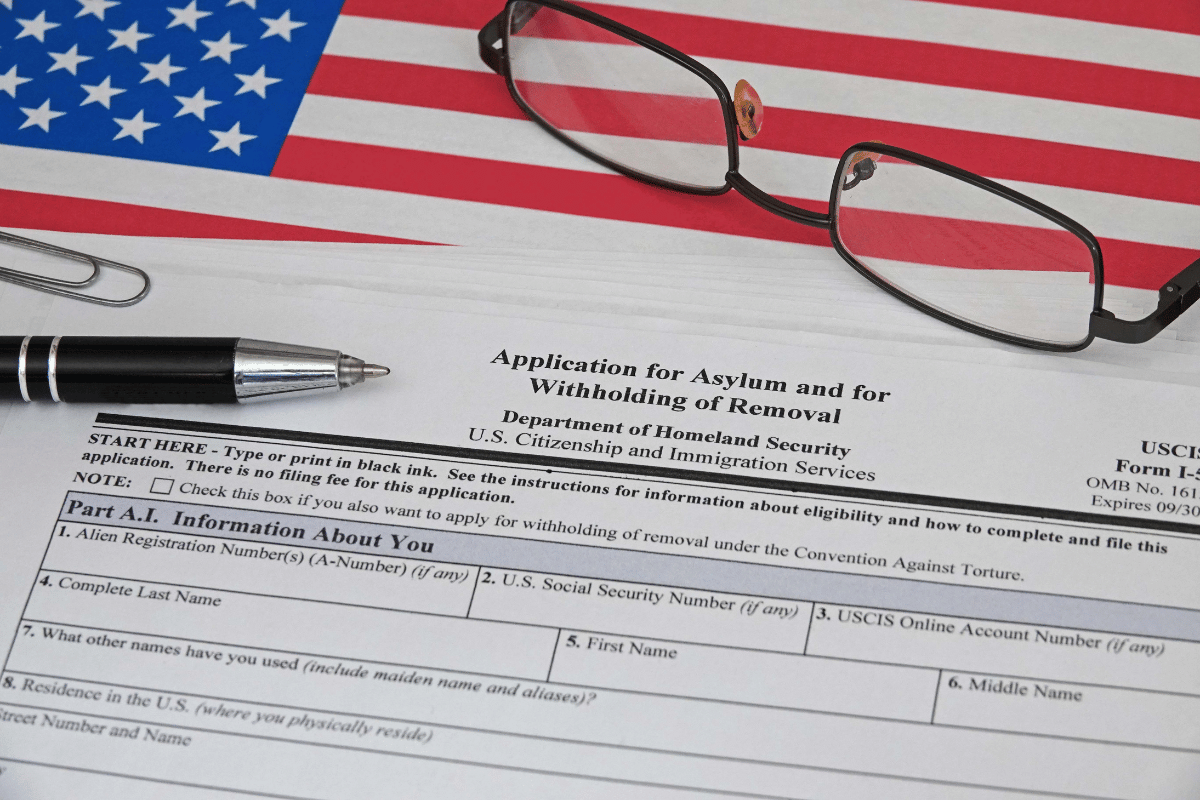
Who Qualifies for Cancellation of Removal? The 10-Year Rule Explained
If you’ve been in the United States for years without papers and you’re now in removal proceedings, you may have heard that “ten years” is the magic number that can let you stay. That’s true, but only partly, the ten-year rule has more moving parts than most people realize, and getting one of them wrong
¿Quién califica para la cancelación de remoción? Explicación de la regla de los 10 años
Si ha estado en los Estados Unidos durante años sin documentos y ahora se encuentra en un proceso de remoción (deportación), es posible que haya escuchado que «diez años» es el número mágico que le permite quedarse. Eso es cierto, pero solo en parte: la regla de los diez años tiene más elementos de los

Special Rule (VAWA) Cancellation of Removal: What It Is and Who Qualifies
If you’ve experienced abuse at the hands of a U.S. citizen or green card holder spouse or parent, and you’re now in removal proceedings, there’s a form of relief built specifically for you, and in a lot of ways, it’s easier to win than the cancellation of removal most people ask about. It’s called special

Cancelación de remoción bajo regla especial (VAWA): ¿Qué es y quién califica?
Si ha sufrido abusos a manos de un cónyuge o padre que es ciudadano estadounidense o residente permanente, y ahora se encuentra en un proceso de remoción (deportación), existe una forma de alivio diseñada específicamente para usted. De hecho, en muchos aspectos, es más fácil de obtener que la cancelación de remoción habitual que solicita

USCIS Denied My Adjustment of Status and Now I Have Court: What Do I Do?
This is one of the situations we hear about the most right now: someone applies for a green card, USCIS denies it, and a few weeks later a Notice to Appear shows up sending them to immigration court. If that’s you, take a breath. A denial isn’t the final word, and there’s a very real,
USCIS rechazó mi Ajuste de Estatus y ahora tengo cita en la corte: ¿Qué hago?
Esta es una de las situaciones que más escuchamos hoy en día: alguien solicita la residencia (Green Card), USCIS se la niega y, a las pocas semanas, le llega una Notificación de Comparecencia (Notice to Appear) citándolo en la corte de inmigración. Si este es tu caso, toma aire y mantén la calma. Un rechazo

Notice to Appear (NTA): What It Means and What to Do Next | Winterberg Law Firm
If you or someone in your family just received a document called a “Notice to Appear,” the first thing we want you to know is this: it is scary, but it is not the end of your case. It is the beginning of one — and there is a lot you can do from here.